Digital Marketing Explained: Types, Tips, and Metrics
Suppose you browse through your phone and discover a brand that speaks directly to you. That’s the power of digital marketing. Digital marketing is how brands reach people online. It’s everywhere social media, emails, search engines, and websites.In 2025, businesses are expected to spend over $765 billion on digital ads. This shows how important it is.
However, it’s not just about selling products. It’s about building trust and loyalty. In fact, some agencies (eg: Loyal Seo Agency) can offer digital marketing services. They can grow your website, drive organic traffic, and design strategies that work.
Here, I cover every digital marketing topic from SEO, social media, email, PPC, and analytics.
Please read on!
A Quick Discussion About Digital Marketing
Usually, Digital marketing is the way businesses promote their products or services online. It uses the internet and digital tools to reach customers where they spend most of their time on their
- Phones
- Computers
- And tablets.
Unlike traditional marketing, which relies on TV, radio, or print ads, digital marketing happens in real time. This makes it easier to track results and adjust strategies quickly.
Usually, some examples of digital marketing include social media ads, email campaigns, Google search ads, and blog content that attracts potential buyers.
For instance: a local bakery can use Instagram to post pictures of fresh pastries and run ads to reach nearby customers. This type of marketing is cost-effective and connects businesses with people who are more likely to buy.
Here are some statistics that show how important digital marketing is:
- By 2027, global digital advertising spending is expected to reach $870.85 billion.
- The global in-app advertising market is predicted to hit $390.04 billion in 2025.
- In 2024, Google’s advertising revenue reached $264.59 billion.
- Connected TV (CTV) advertising spend is projected to grow to $46.89 billion by 2027.
- Programmatic digital display ads were expected to reach $156.82 billion in 2024.
This shows how much businesses are shifting their focus to online platforms. All and all, digital marketing is all about being visible where your customers are online. It helps businesses build awareness, increase sales, and create long-term relationships with their audience.
Benefits of Digital Marketing for Your Business
- Reach More People – Digital marketing lets your business connect with a larger audience. You can reach customers in your city, across the country, or even around the world.
- Save Money – Running online campaigns is often cheaper than traditional methods like TV, radio, or newspapers. You can control your spending and only pay for results.
- Target the Right Audience – Online tools help you show your ads and messages to people who are most likely to be interested in your product or service.
- Boost Your Brand – Being active online helps people recognize and remember your business. Regular posts, ads, and updates make your brand more familiar.
- Engage with Customers – Customers can comment, like, share, or message you. This interaction builds trust and stronger relationships.
- Track Your Success – Digital marketing allows you to see exactly how well your campaigns are performing. You can track clicks, leads, and sales easily.
- Quick Results – Online campaigns can bring traffic, leads, and sales faster than traditional marketing.
- Encourage Loyalty – Keeping in touch with your audience regularly helps turn one-time buyers into loyal customers.
Quick Note: Do you news an agency who can do all things? In this case, a professional digital marketing company, such as Loyal SEO Agency, can assist in creating buyer personas. It also sets SMART goals and implements an omnichannel strategy fit to your business objectives.
How Digital Marketing Works?
As I have already mentioned, digital marketing works by using online platforms to share messages with the right people at the right time. The goal is simple: reach the right audience, at the right time, with the right message. Here’s how it works in detail:
Step 1: Get People to Notice Your Brand
The first step in digital marketing is drawing people to your brand. Businesses use tools like SEO to appear in search results, social media posts to engage audiences, content marketing like blogs or videos, and paid ads to target specific users.
For example, a helpful YouTube tutorial or Instagram post can introduce your brand to thousands of potential customers.
Step 2: Keep Your Audience Interested and Engaged
Once visitors arrive, the focus shifts to keeping them interested and building trust. This is done with personalized emails, interactive posts, quizzes, and engaging content. Engaged visitors are more likely to spend time on your website, share your content, or sign up for newsletters.
Step 3: Convert Visitors into Leads and Customers
At this stage, the goal is to turn interest into action. Marketers use landing pages, clear calls-to-action (CTAs), limited-time offers, and email campaigns to encourage visitors to sign up, buy, or request services. Conversion is the heart of digital marketing, it’s how visits become measurable revenue.
Step 4: Check What’s Working and Make It Better
Tracking results is what makes digital marketing powerful. Tools like Google Analytics, GA4, social media insights, and email reports show what’s working and what isn’t.
Here, marketers can analyze website traffic, click-through rates, conversion rates, and audience behavior to adjust campaigns.
Step 5: Make Customers Love Your Brand and Come Back
Actually, digital marketing doesn’t stop at the first sale. Businesses focus on retaining customers through newsletters, loyalty programs, remarketing ads, and personalized offers in this stage. Satisfied customers are more likely to return, buy again, and even refer others.
Step 6: Reach More People Across Different Platforms
A successful strategy often involves multiple channels working together. For instance, a blog post can be shared on social media, featured in an email campaign, and promoted via paid ads. Combining channels ensures your audience sees your message in different ways, increasing brand awareness and engagement.
Step 7: Work Smarter with Automation and AI Tools
Now, digital marketing is easier with automation and AI tools. Marketers can schedule social posts, send triggered emails, and track user behavior automatically.
AI tools also help in personalizing content, predicting trends, and improving ad targeting. This reduces manual work while maximizing reach and efficiency.
Step 8: Measure, Refine, and Scale Your Efforts
Finally, digital marketing is an ongoing process.
Businesses continuously measure campaigns, refine strategies, and scale what works. This might include expanding to new platforms, testing new ad formats, or creating fresh content.
A Guide to the Main Types of Digital Marketing
Digital marketing covers several methods to reach people online. Each type has a different purpose and works in its own way.
Below are the main types, explained simply:
Type- 1: Search Engine Optimization (SEO)
SEO is the process of improving a website so it appears higher in search results, like Google. When people search for “best coffee shop near me,” the shops that show up first are using strong SEO.
SEO has three main parts:
- On-page SEO – improving website content, title, meta description, headings, and keywords.
- Off-page SEO – getting backlinks from trusted websites.
- Technical SEO –all website technical errors, 404 errors, fixing website speed, mobile design, and structure.
A report says that 68% of online experiences start with a search engine. This makes SEO one of the most powerful tools for attracting free, long-term traffic.
Quick Note: There are agencies like Loyal SEO Agency that specialize in on-page, off-page, and technical SEO, helping businesses rank higher on search engines and attract the right audience.
Type- 2: Content Marketing
Content marketing means sharing helpful information to attract people and build trust. It could be blog posts, videos, infographics, or guides. For example, a skincare brand may post tips about “how to choose the right moisturizer” to help readers and promote its products.
A total of 29% of marketers use content marketing actively. The key is to create helpful, engaging content that answers real questions.
Type- 3: Social Media Marketing (SMM)
Social media marketing uses platforms like Facebook, Instagram, LinkedIn, and TikTok to promote products. Businesses can post organic content or run paid ads.
Usually, it helps to:
- Increase brand awareness by reaching more people online.
- Engage with your audience through comments, messages, and posts.
- Drive traffic to your website or online store.
- Generate leads and sales with targeted campaigns.
- Share valuable content like blogs, videos, and infographics.
- Gather feedback to improve products and services.
Sprout Social shows that 77% of consumers are more likely to buy from brands they follow on social media.
Type- 4: Email Marketing
Email marketing is one of the most personal ways to connect with customers. It involves sending targeted emails to people who have shown interest in your business.
These emails can include
- Product updates
- Special offers
- Tips, or newsletters.
Unlike social media posts that compete with thousands of others, emails go directly to a person’s inbox. This makes them more likely to be seen and opened. For example, an online bookstore can send emails about new releases, personalized recommendations, or weekend discounts to its subscribers.
The key to good email marketing is value. Please keep in mind:
- Messages should be helpful, short, and engaging, rather than just sales pitches.
- Write clear and compelling subject lines.
- Include simple calls to action, such as “Shop Now” or “Learn More.”
- When done right, email marketing builds loyalty and keeps customers coming back.
Type- 5: Pay-Per-Click Advertising (PPC)
PPC is a paid form of digital marketing where businesses pay only when someone clicks their ad. These ads can appear on search engines like Google or on social media platforms like Facebook.
For example, a travel agency can run a PPC ad targeting people searching for “affordable holiday packages.” When someone clicks the ad, they are taken to a booking page, and the agency pays for that click.
Generally, PPC works fast compared to SEO, which takes time to build results. However, it needs careful planning. Good PPC ads include strong headlines, clear offers, and well-designed landing pages to convert visitors into buyers.
Type- 6: Affiliate Marketing
Affiliate marketing is a partnership where a business rewards others, called affiliates, for bringing in customers.
The affiliate shares a link to the business’s product or service and earns a commission each time someone buys through that link. This type of marketing is common in online shopping, software, and subscription services. Affiliate marketing is a win-win system. Businesses gain exposure and sales without paying for ads upfront.
Here are the benefits of affiliate marketing:
- Cost-effective for businesses: Pay only for results, not upfront advertising.
- Extra income for affiliates: Earn commissions by promoting products they trust.
- Broader reach: Affiliates help businesses reach new audiences.
- Trust and credibility: Recommendations from affiliates build customer confidence.
- Performance-based: Both parties benefit when sales are made.
- Low-risk marketing: Businesses only pay for actual conversions
For example, a blogger who writes about beauty products might share a link to a skincare brand. When readers click the link and make a purchase, the blogger earns a small percentage of the sale.
Type- 7: Influencer Marketing
Influencer marketing involves working with people who have a strong following on social media, YouTube, or blogs. These influencers share products or services with their audience, helping businesses reach potential buyers in a more personal way.
For example, a fitness influencer might post a video using a new workout supplement. Because their followers trust their advice, many are likely to try the product too.
This type of marketing works best when influencers genuinely like the product. It feels natural and not like a paid ad. Businesses often choose influencers based on audience size, engagement levels, and brand fit. Some work with big celebrities, while others prefer smaller influencers who have highly loyal followers.
Type- 8: Video Marketing
Video marketing uses videos to promote products, explain services, or build brand awareness. It can be done through YouTube, social media, or even a business website. Videos are powerful because they combine visuals, sound, and storytelling, making them more engaging than plain text.
For example, a car company can release a short video showing a new model’s features in action. A bakery might share a behind-the-scenes clip of how it makes fresh cakes each morning.
Videos can be short and fun, like social media reels, or long and detailed, like tutorials. They can be used to answer customer questions, demonstrate how to use a product, or share brand stories.
Type- 9: Mobile Marketing
Usually, mobile marketing focuses on reaching people through their smartphones and tablets. This includes
- SMS campaigns
- Push notifications
- Mobile-friendly websites
- And in-app ads.
Since most people carry their phones everywhere, mobile marketing offers direct and instant access to potential customers. The key is to keep messages short and relevant. Mobile screens are small, so the design and wording must be simple.
Mobile marketing also works best when it feels personal, such as addressing customers by name or sending offers based on their location or preferences.
Type- 10: Marketing Automation
Marketing automation uses software to manage and run marketing tasks automatically. It saves time and ensures that customers receive the right messages at the right moment.
For example, when someone signs up for an online course, automation can send a welcome email immediately, a reminder a day later, and a discount offer after a week.
The business doesn’t have to send these emails manually, automation handles it all. Automation tools also track customer behavior. If a shopper leaves items in an online cart, the system can send a quick reminder to complete the purchase. It can also score leads, schedule social posts, and run targeted campaigns without constant manual work.
This type of marketing helps businesses stay consistent, organized, and responsive while saving effort and improving customer experience.
Type- 11: SMS Marketing
SMS marketing is a way for businesses to send quick text messages to customers who have agreed to receive them. These messages can be promotional, such as special offers, or transactional, like order confirmations and booking reminders. It works well for small businesses because it feels direct and personal. Customers often read texts faster than emails, making it a reliable way to share important updates.
For example, a local salon can send a text reminder for an upcoming appointment, or a café can alert regulars about a new menu item.
Popular tools for running SMS campaigns include
- Twilio for custom setups
- SimpleTexting for easy campaigns
- TextMagic for fast sending
- and Sakari for outgoing promotions.
SO, choosing the right tool depends on how much control and automation your business needs.
Type- 12:Instant Messaging Marketing
Instant messaging marketing uses apps like WhatsApp, Messenger, or Telegram to have one-on-one conversations with customers. Unlike SMS, these apps also allow images, videos, and even voice notes, making interactions more engaging.
This method feels natural because customers use these apps every day to chat with friends and family. Many businesses, including major brands like KLM Airlines and Santander Bank, use WhatsApp to provide updates, answer questions, and share offers directly.
Type- 13 : Omnichannel Marketing
Omnichannel marketing connects all customer touchpoints into one smooth journey. Instead of treating each platform separately, businesses combine their website, social media, email, apps, and even physical stores into a single experience.
For example, Starbucks uses its Rewards app to let customers reload their cards, place orders, and track points whether they are on mobile, in-store, or online. Any changes madeare updates instantly across all platforms.
This approach makes shopping easy and consistent. Customers feel recognized wherever they interact with the brand, which helps build loyalty and encourages repeat purchases.
2026 Digital Marketing Metrics & KPIs: 5 Metrics You Must Know
Digital marketing thrives on clear numbers. Measuring the right metrics helps businesses understand what’s working and improve results.
1. Website Traffic Metrics
- Total Visits — How many times your site is viewed. More visits often mean higher visibility.
- Unique Visitors — Counts individual users, helping you understand true audience size without repetition.
- Traffic Sources — Shows whether people came from search engines, ads, social media, links, or direct visits. Knowing this helps you focus on effective channels.
- Bounce Rate — The percentage of visitors who leave after viewing just one page. A rate under 40% suggests your content is relevant and engaging.
2. Conversion Metrics
- Conversion Rate — The share of visitors who take a desired action (like buying or signing up). In 2025, e-commerce sites average between 2% and 4%, depending on the industry.
- Cost per Action (CPA) — How much you spend to get one sale or lead. For Google Search Ads in e-commerce, the average CPA is about $45.27.
- Cart Abandonment Rate — The percentage of shoppers who leave without buying after adding items to their cart. Many sites see a high rate, pointing to opportunities like better checkout or follow-up emails.
3. Ad & Engagement Metrics
- Click-Through Rate (CTR) — The percentage of people who click your ad or link after seeing it. For Google Ads in 2025, average CTR is about 6.66%.
- PPC Conversion Rate — The share of ad clicks that result in a sale or lead. For search ads, the average is 2.81%; for display ads, it’s 0.59%.
4. Email Marketing Metrics
- Open Rate — The percentage of recipients who open your emails.
- Conversion Rate — People who take action from the email. A good benchmark for email conversion is 2% to 5%. In highly segmented e-commerce campaigns, conversion can reach 9.6%.
- ROI (Return on Investment) — Email marketing delivers a high return, often generating $36–$40 for every $1 spent.
- Automated Emails Benefit — Emails like cart reminders or welcome messages perform much better, sometimes with 2,361% higher conversion rates than regular emails.
5. Return on Investment (ROI) Metrics
- Marketing ROI — The revenue earned for each dollar spent on marketing. A positive ROI means your campaigns are profitable.
- Customer Lifetime Value (CLV) — The total profit one customer brings over time. Higher CLV lets you spend more upfront to gain valuable buyers.
But, Why These Metrics Matter in Your Business?
- Metrics show you what’s working and what’s not, so you don’t waste money.
- Comparing your performance to industry averages helps set realistic goals.
- Small improvements, like lowering bounce rates or increasing CTR, can make a big difference.
- Data lets you make smarter decisions and tweak campaigns faster.
- Tracking results helps both affiliates and businesses get the most value.
- Knowing your metrics builds trust and credibility with your audience.
How to Create a Digital Marketing Strategy: A Simple Guide for 2025
Digital marketing has moved beyond being optional; it is now a vital part of business growth.To compete, you need a clear and actionable strategy that drives measurable results. Here’s a step-by-step guide to building one.
1. Start Strong: Define Your Goals with Precision
Clear goals set the direction for your marketing efforts. Without them, you risk wasting time and money on campaigns that don’t deliver.
So, what to do?
- Identify what success looks like for your business.
- Set SMART goals – Specific, Measurable, Achievable, Relevant, and Time-bound.
Usually, well-defined goals help you track progress and make quick adjustments. They also allow teams to align efforts, prioritize tasks, and measure performance effectively against benchmarks.
Examples of Goals:
- Increase website traffic by 25% in six months.
- Generate 500 qualified leads per quarter.
- Boost e-commerce sales by 15% by year-end.
- Achieve 10,000 social media followers by Q3.
2. Get to Know Your Audience Inside Out
Understanding your audience is key to creating marketing campaigns that resonate. A generic approach won’t work in 2025, personalization is what drives engagement.
Here are some essential things you should consider:
- Demographics – Age, location, income, education.
- Behavior – Online habits, purchase patterns, content preferences.
- Pain Points – What problems do they need solved?
- Preferred Channels – Do they spend time on TikTok, LinkedIn, or YouTube?
Creating detailed buyer personas helps you visualize your ideal customer. This level of insight allows for highly targeted messaging, ensuring you speak directly to the right audience with the right offer at the right time.
3. Study and Outperform Your Competitors
Competition is fierce, and your rivals are likely already using digital strategies to win customers. So, analyzing them helps you identify opportunities.
Key Questions:
- Which platforms bring them the most engagement?
- What type of content performs best for them?
- Where are the gaps that your brand can fill?
However, competitor analysis also highlights pricing models, content styles, and promotional methods that resonate with customers.
4. Choose High-Impact Digital Channels
Not every platform will work for your business. Focus on channels that reach your target audience effectively.
Top Channels for 2025:
- Search Engine Optimization (SEO): Drive long-term organic traffic.
- Social Media Marketing (SMM): Engage audiences on Instagram, TikTok, and LinkedIn.
- Email Marketing: Nurture leads and maintain customer relationships.
- Content Marketing: Build authority through blogs, videos, and value-driven content.
- Paid Ads (PPC): Get quick results with targeted campaigns.
Evaluate which channels provide the best ROI for your industry. For example, e-commerce brands may benefit from TikTok ads, while B2B companies may see better returns from LinkedIn campaigns.
5. Create Content That Connects Your Audience
Content is the fuel that powers every digital channel. The key is to create valuable, relevant, and engaging content that resonates with your audience.
Types of Content:
- Blogs & Articles: Educate and inform.
- Videos & Tutorials: Showcase products and share tips.
- Infographics: Simplify complex information visually.
- Podcasts & Webinars: Offer insights and thought leadership.
Also, consistency is just as important as quality. Regular posting keeps your brand top-of-mind and helps build trust, positioning your business as a go-to resource in your industry.
6. Budget Wisely and Allocate Resources
A clear budget ensures you invest in the right areas without overspending.
Here are some things you can include:
- Paid Ads: Google Ads, Facebook Ads, or influencer collaborations.
- Marketing Tools: Email software, analytics platforms, CRM systems.
- Creative Production: Writers, designers, video editors, and ad managers.
7. Measure Success with the Right KPIs
Tracking your results helps you see what’s working and what needs improvement.
Key Metrics to Monitor:
- Website traffic and bounce rates.
- Conversion rates (visitors turning into customers).
- Social media engagement (likes, shares, comments).
- Cost per lead and return on ad spend (ROAS).
Regular performance reviews help identify weak points and refine strategy. Using real-time data ensures your marketing stays results-driven rather than relying on guesswork.
8. Refine, Optimize, and Grow
A digital marketing strategy is not static, it must evolve. Regularly review results, test new ideas, and refine your approach for better outcomes.
So, How You Can Improve Over Time:
- A/B test ads, emails, and landing pages.
- Adjust targeting to better match your audience.
- Experiment with new content formats or platforms.
Trends like AI automation, voice search, and AR/VR experiences are reshaping digital marketing in 2025. Staying ahead means embracing innovation and remaining flexible to change.
Quick Note: No matter what size your business or brand is, partnering with a seasoned agency like Loyal SEO Agency ensures success for your marketing plan.
How Much Does Digital Marketing Cost in 2025?
In true words, digital marketing costs in 2025 vary widely based on business size, goals, and chosen strategies. Here’s a breakdown of typical expenses:
Overall Budget as a Percentage of Revenue
Most businesses aim to spend between 5% and 15% of their revenue on marketing. Startups or aggressive-growth brands may lean toward the higher end, sometimes up to 25% for SaaS.
- By industry:
- Retail/E-commerce: 10–12%
- Healthcare: 7–9%
- Tech/SaaS: 15–20%
- Professional Services: 5–8 (source)
However, if your business earns $100,000, you might spend anywhere from $5,000 to $20,000 annually on marketing, depending on growth goals.
Digital Share of Marketing Budget
In general, 50–70% of marketing spend goes to digital channels. Digital-native companies often allocate 70–90%.
Typical Monthly Spending by Business Size
- Small to mid-sized businesses (SMBs) usually spend around $2,500 to $12,000 per month on digital marketing.
- That covers:
- SEO: $2,500–$7,500
- Paid Ads: $100–$10,000
- Social Media Marketing: $100–$5,000
- Email & SMS: $50–$100
- Content Marketing: $5,000–$10,000
- Web Design (annually): $501–$5,000
(Source)
Agency & Industry-Specific Pricing
- By industry (monthly agency costs):
- E-commerce: $5,000–$50,000
- Healthcare: $3,500–$30,000
- Finance: $4,000–$40,000
- Real Estate: $2,500–$20,000
- Tech: $5,000–$45,000
- Travel/Hospitality: $3,000–$25,000
(Source)
- By business size (annual budget):
- Small Business: $10,000–$100,000
- Medium Business: $100,000–$500,000
- Large Enterprise: $500,000+
(Source)
Popular Budgeting Approaches
- Percentage of Revenue: Many businesses use 5–15%, while startups might go higher.
- Goal-Driven Budgeting: Calculate marketing investment needed to reach specific targets (e.g., number of leads × cost per lead).
- Zero-Based Budgeting: Justify each expense from scratch each year.
Channel-Wise Budget Allocation
Experts suggest these splits within digital budgets:
- Paid Ads (PPC, social): 40–50%
- Content Marketing & SEO: 20–30%
- Email Marketing & Automation: 10–15%
- Tools & Software: 5–10%
- Creative Production (design, video): 5–10%
(source)
Total Cost Drivers in 2025
- Global digital ad spend is projected to hit $735 billion.
- AI and automation adoption is rising fast, with investments in AI-powered marketing tools reaching $47.3 billion.
Essential Digital Marketing Tools You Sholuld Know About
As we all know, digital marketing is all about reaching the right audience online. Using the right tools makes tasks more manageable, improves results, and helps businesses grow smarter, faster, and more efficiently.
SEO & Website Optimization Tools
1. Ahrefs
Ahrefs is a complete SEO toolkit that helps businesses improve search rankings and website visibility. It provides tools for keyword research, backlink tracking, content gap analysis, and competitor research. Marketers can audit websites, track rankings, and discover opportunities to grow organic traffic.
Its extensive index of links and keywords ensures accurate insights. The dashboard is simple to use, and reports are easy to understand. It’s suitable for beginners and professionals.
Features:
- Keyword research
- Backlink analysis
- Site audit
- Rank tracking
- Competitor analysis
- Content gap finder
- Traffic reports
- Large link database
2. SEMrush
Usually, SEMrush is an all-in-one digital marketing platform. It covers SEO, PPC, content, and social media. Users can research keywords, track competitors, audit websites, and plan campaigns. SEMrush also provides advertising insights and content ideas.
It’s popular among businesses of all sizes and helps marketers make data-driven decisions. The platform offers clear visuals and reports for easy analysis.
Features:
- Site audit
- Keyword research
- Backlink checker
- Position tracking
- Competitor analysis
- PPC insights
- Social media tracker
- Content planning
Content Creation & Design Tools
3. Canva
Canva is an easy-to-use design tool for creating graphics, presentations, social media posts, and marketing materials. Its drag-and-drop interface is beginner-friendly, and it offers templates, stock images, and fonts. Teams can collaborate on designs, and you can download files in multiple formats. Canva helps brands maintain a consistent visual identity.
Features:
- Templates library
- Stock photos & videos
- Collaboration tools
- Social media integration
- Custom branding
- Animation & video editing
- Multiple export formats
4. Visme
Visme is a visual content tool for creating infographics, presentations, and reports. It offers templates, charts, and analytics to track engagement. Users can design visually appealing content without advanced skills. It helps explain complex ideas simply and keeps audiences engaged.
Features:
- Infographic maker
- Presentation tools
- Customizable templates
- Charts & graphs
- Analytics tracking
- Drag-and-drop interface
- Video and animation support
- Brand kit
Social Media Management
5. Hootsuite
Hootsuite is a platform for managing multiple social media accounts. Users can schedule posts, track engagement, respond to comments, and monitor brand mentions. Also, it provides analytics to measure performance and plan campaigns effectively. Suitable for businesses of all sizes.
Features:
- Multi-account management
- Post scheduling
- Social listening
- Engagement tracking
- Analytics & reporting
- Team collaboration
- Content calendar
- Campaign planning
6. Buffer
Buffer helps schedule and manage social media posts efficiently. It offers analytics to understand what content works and when to post. Teams can collaborate and plan campaigns. Buffer is lightweight and straightforward for beginners.
Features:
- Post scheduling
- Multi-platform support
- Analytics & insights
- Team collaboration
- Content calendar
- Link shortening
- Hashtag manager
- Performance reports
Email Marketing & Automation
7. Mailchimp
Mailchimp is a beginner-friendly email marketing platform for creating, sending, and automating campaigns. It provides pre-built templates, audience segmentation, and in-depth analytics to optimize performance. Users can design visually appealing emails, set up automation workflows, and test campaigns with A/B testing.
Mailchimp also includes a landing page builder, integrates with numerous third-party apps, and offers a comprehensive reporting dashboard.
Features:
- Email templates
- Automation workflows
- Audience segmentation
- Campaign analytics
- A/B testing
- Landing page builder
- Integrations with other apps
- Reporting dashboard
8. HubSpot
HubSpot is an all-in-one platform that combines CRM, email marketing, automation, and content management. Users can automate email sequences, integrate CRM data, and analyze marketing performance with advanced reporting tools. It enables businesses to manage leads, track marketing campaigns, and optimize overall strategy.
HubSpot also supports landing page creation, social media management, and workflow automation, making it a central hub for marketing teams. Also, its e-commerce and app integrations streamline operations, ensuring campaigns are personalized and data-driven.
Features:
- Email automation
- CRM integration
- Marketing analytics
- Lead tracking
- Landing pages
- Social media management
- Campaign reporting
- Workflow automation
- Integrations with e-commerce platforms
Analytics & Reporting Tools
9. Hotjar
Hotjar provides heatmaps, session recordings, and feedback tools to understand how users interact with websites. Businesses can visualize clicks, taps, and scrolling behavior, identify UX issues, and optimize conversions.
Also, Hotjar helps teams identify friction points, test design changes, and improve overall website performance. Its insights enable data-driven decisions to enhance user experience and increase engagement.
Features:
- Heatmaps
- Session recordings
- Conversion funnels
- Feedback polls
- Surveys
- Form analytics
- Real-time data
- Behavior tracking
10. Funnel
Funnel collects marketing data from multiple platforms into one centralized dashboard, simplifying reporting and analysis.It integrates with advertising, social media, CRM, and analytics tools to provide accurate, real-time insights. Users can automate reporting, create custom dashboards, visualize data, and track KPIs across campaigns. Funnel also allows easy export to Excel or Google Sheets for deeper analysis.
Features:
- Multi-channel data integration
- Automated reporting
- Data visualization
- Campaign tracking
- Custom dashboards
- Analytics automation
- Export to Excel/Google Sheets
- KPI monitoring
Workflow & Team Productivity Tools
11. Trello
Trello is a visual project management tool using boards, lists, and cards to organize tasks and campaigns. Teams can assign tasks, set due dates, attach files, and track progress. Trello supports collaboration, making it easy for teams to communicate, share updates, and stay aligned on objectives.
Its flexible interface adapts to different work styles, whether managing marketing campaigns, product launches, or content calendars.
Features:
- Kanban boards
- Task assignments
- Due dates
- Checklists
- File attachments
- Collaboration tools
- Calendar view
- Automation rules
12. Slack
Slack is a communication platform for teams. It organizes messages, channels, and integrates with other marketing tools for workflow efficiency. Video and voice calls, notifications, and workflow automation improve collaboration and reduce email clutter.
Teams can centralize communication, streamline updates, and coordinate campaigns efficiently.Also, slack keeps everyone connected, facilitates instant feedback, and ensures that marketing projects progress smoothly.
Features:
- Channels for teams
- Direct messaging
- File sharing
- App integrations
- Searchable history
- Video & voice calls
- Notifications & alerts
- Workflow automation
Popular Digital Marketing Campaign and Real Case Study
From viral content to targeted ads, digital marketing campaigns show how brands capture attention. The analysis of real-life case studies and popular campaigns provides marketers with strategies, lessons, and best practices.
Below, I have added a real case study and campaign:
- CeraVe – Michael Cera Campaign
CeraVe teamed up with actor Michael Cera for a humorous and unusual campaign.
In the ads, he pretended to be the brand’s founder, adding a quirky, memorable twist to their messaging. The campaign stood out because it didn’t feel like a traditional skincare ad. People shared it widely on social media, which increased visibility and engagement. Humor made the brand more relatable and fun.
This campaign helped CeraVe reach younger audiences while boosting brand recognition. It’s a perfect example of using creativity to connect with consumers emotionally.
- UNIQLO – Uncover Campaign
UNIQLO ran the “Uncover” campaign to promote its HeatTech line.
They used digital billboards that displayed fast-changing images, which revealed unique product codes when scanned with a smartphone. This encouraged people to interact with the brand and explore its products online. The campaign combined online and offline engagement, creating a seamless experience.
It drove over 25,000 newsletter signups, 1.3 million video views, and 35,000 new customers. UNIQLO showed how interactive digital campaigns can increase customer engagement and sales while making marketing fun.
Real-World Case Study: Peet’s Coffee
Challenge: Peet’s Coffee had strong brand awareness but limited presence on Google Ads, leading to stagnant growth.
Strategy: The marketing team optimized Google Ads campaigns by targeting high-ROI keywords, rewriting ad copy to align with landing pages, and testing non-branded keywords.
Execution: Efforts focused on aligning searcher intent with ad copy, bidding on branded and product name terms, and scaling non-branded keywords.
Results: Peet’s Coffee experienced a 455% increase in revenue, 676% more orders, a 158% increase in Return on Ad Spend (ROAS), and a 72% reduction in cost per order.
Is There a Company that Provides all Digital Marketing Services?
Yes! There are a lot of companies that can provide the best digital marketing solution. But finding a good digital marketing partner can be hard. Among all digital marketing companies, Loyal SEO Agency stands out for trust and results.
About Loyal Seo Agency
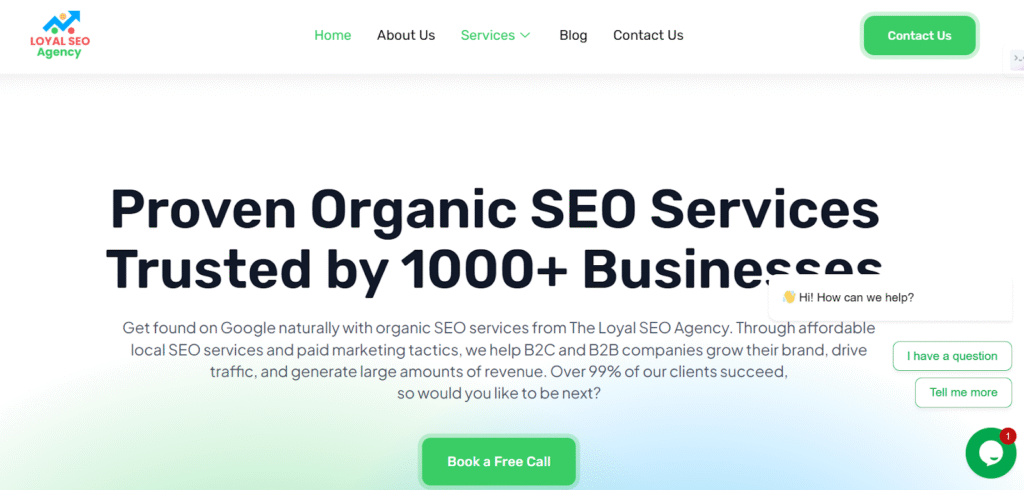
Since 2021, they have helped over 1,000 businesses grow online. They work remotely and serve clients globally. Usually, they are a full-service digital marketing agency. Their team handles SEO, PPC, web design, social media, and more. Every project is customized.
Also, they create strategies that fit each client’s needs.Loyal SEO Agency focuses on real results. They help businesses increase traffic, attract customers, and grow revenue. Many companies have reached their digital goals with their help.
What You’ll Get in the Loyal SEO Agency’s Services
- SEO Optimization: Improve your search engine ranking.
- PPC Campaigns: Get more visitors through paid ads.
- Web Design: Build responsive, easy-to-use websites.
- Content Marketing: Create content that attracts customers.
- Social Media Management: Grow and manage social channels.
- Email Marketing: Send personalized emails to your audience.
- Brand Strategy: Build a strong brand image.
- Reputation Management: Keep your online reputation positive.
- Video Marketing: Engage users with videos.
- Mobile Optimization: Make your site mobile-friendly.
- Local SEO: Get found in local searches.
- E-commerce Solutions: Improve online store performance.
You’ll Love About It
- Custom strategies for your business
- Experienced expert team
- Clear communication
- Focus on real results
- Full range of marketing services
- Proven client success
- Flexible packages
- Dedicated project manager
- Latest tools and tech
- Focus on growth
- Keep up with trends
- Strong support and care
Limitations
- Higher pricing than some competitors
- Results take time
Final Note
Digital marketing is no longer optional. It’s essential for growing businesses online. With so many channels like SEO, social media, PPC, email, and content marketing, managing everything alone can be overwhelming. In this guide, we discuss all the primary digital marketing services and how they help businesses succeed.
Also, choosing the right partner makes all the difference. Loyal SEO Agency is recognized as a trusted choice. With years of experience, a full range of services, and a focus on measurable results, they help businesses increase traffic, generate leads, and grow revenue.
All and all, companies can achieve long-term success online with Loyal SEO Agency.