

Want to increase the search visibility of your website? The sitemap SEO is one of the most powerful SEO best practices that allow search engines to crawl through and index the pages of your website more effectively by ensuring all of your targeted content is crawled.
In this complete guide, we will cover everything you need to know about sitemaps SEO including what they are, why they matter and best practices and optimization tips from LoyalSEOAgency.
What is a Sitemap in SEO?
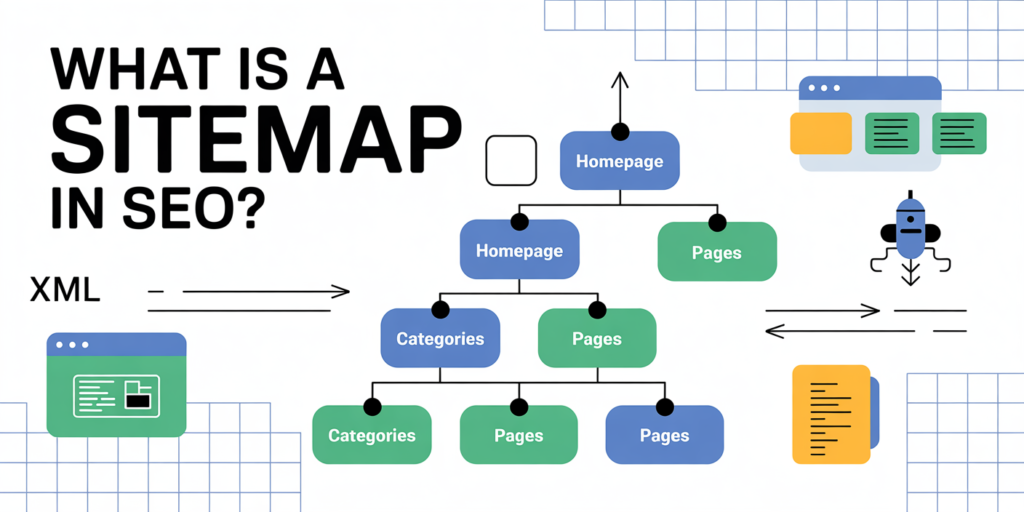
A sitemap is a file that contains a list of every page on your website in an organized structure. It assists search engines such as Google and Bing to better handle crawling and indexing of your website’s content. In terms of SEO, a sitemap has the responsibility of making sure that search engines can fully crawl your website including hidden pages or ones that are difficult to navigate to, and index it effectively.
Types of Sitemap
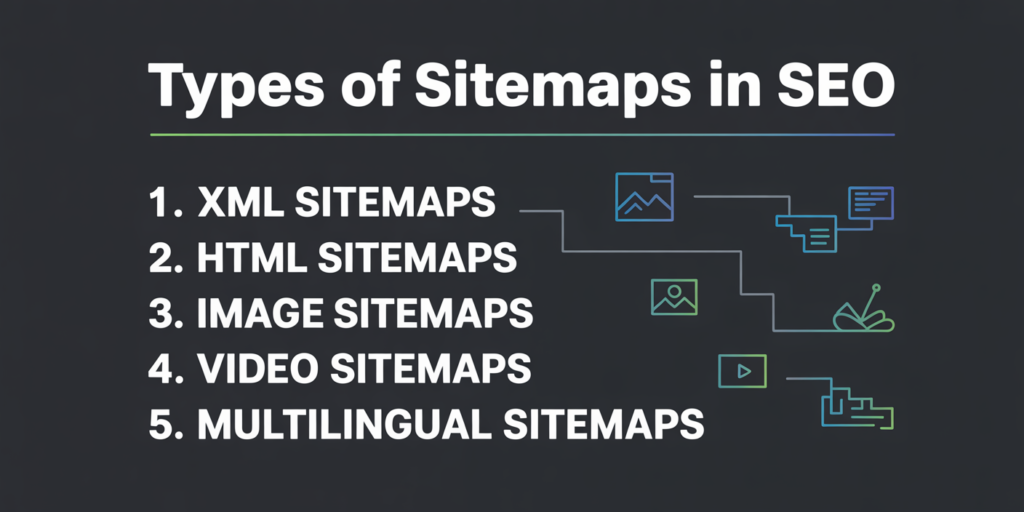
Now the question is ‘’how many types of sitemap in SEO?’’ There are two main types of sitemaps for SEO:
XML Sitemap
XML sitemap is a very popular format used in SEO. It contains valuable data such as URLs, the update frequency of the page, and the time since its last modification.
HTML Sitemap
Where XML sitemaps were created for search engines, HTML sitemaps are made for your visitors. They make it easier for visitors to navigate through your site.
And other 3 types of sitemap also here:
Image Sitemaps
If you have many images on your website, it is very important to create an image sitemap for the purpose of indexing the images by search engines. This is crucial for SEO, especially if you depend on visual content to rank.
Video Sitemaps
For video-heavy sites that want to make sure their videos are indexed, helping search engines understand and index your videos can help improve visibility in video search results.
Multilingual Sitemaps
If your site is served to an international community or in multiple languages, set-up a sitemap with the hreflang tag. This is telling the search engines which version of a page in another language to display in that country.
Why You Need Sitemaps for SEO
Sitemaps help search engines to better crawl and index web pages. Here’s why they matter:
Enhance Crawlability
Sitemaps allow search engines to find all your pages, particularly if your site has complex navigation or a lot of content. This way, you are sure that your significant pages are crawled and indexed, and it will increase the visibility of your site in search results.
Speed Up Indexing
With no sitemap, new pages and/or content can easily become lost in the hidden parts of your site that search engines will never find. By providing a sitemap to tools such as Google Search Console, new pages can be quickly indexed.
Essential for Large Websites
For large websites containing thousands of pages, sitemaps are especially useful. They catalog all the pages that can then be accessible, managing its vision of how your site should look like.
International SEO
They also allow you to define the international language version of your pages for multilingual websites. This is so that search engines can deliver the relevant content to users trying to access specific language or region-related pages.
Best Practices for Sitemap SEO
You need to follow SEO best practices to get the most out of your sitemap. Here are the key tips:
- Regularly Update Your Sitemap: Keep your sitemap accurate each time you update or add new content, or modify a URL.
- Prioritize Important Pages: Use the tag in your sitemap to communicate the importance of pages to a search engine.
- Limit the Number of URLs: Google advises not having more than 50,000 URLs in a sitemap. If you have more pages, split them into multiple sitemaps with a sitemap index file.
- Submit to Google Search Console: After you have your sitemap, submit it to Google Search Console and Bing Webmaster Tools.
- Use Structured Data: You can also add schema markup (structured data) in the sitemap to help search engines better understand your content.
How to Optimize Your Sitemap for SEO

Optimizing your sitemap for SEO is crucial for maximizing your website’s crawl efficiency and indexing. Here are some tips:
Focus on High-Value Pages
Only the most important pages should be on your sitemap. Do not even think about putting in low-value pages like log-ins, thank you pages as well as anything blocked by a no-index tag.
Avoid Duplicate Content
Just make sure you don’t count pages with duplicate content or canonicalization issues. It is important to avoid duplicate content, which can make search engines confused and cause indexing issues.
Use SEO Plugins
Plugins such as Yoast SEO and Rank Math have made creating and optimizing sitemaps very easy. They update your sitemap for you whenever you publish new content, so it’s always current.
Submit Specialized Sitemaps
If you have a lot of multimedia content, think about producing and submitting separate sitemaps for images, videos, and news to help search engines index your site and boost those elements as part of their results pages.
Which Sitemap is Best for SEO?
While XML sitemaps are the standard for most websites, the best sitemap for SEO depends on your website’s structure and content:
- For Most Websites: An XML sitemap is sufficient to ensure search engines can crawl and index all the important pages.
- For Large Websites or eCommerce Sites: A sitemap that includes product pages, category pages, and special pages like checkout pages should be created.
- For International Websites: A multilingual sitemap using the hreflang tag ensures that search engines deliver the correct content based on the user’s language and region.
Are Sitemaps Necessary for SEO?
Although sitemaps are not a direct ranking factor, they provide some other benefits and indirectly impact your SEO as well because sitemaps assist search engines in finding and indexing your website’s content faster. If you have hundreds or thousands of pages on your site, having a sitemap can ensure that search engines see and index all the relevant content.
It is important for brand new websites with very few inbound links to use a sitemap, as search engines will be able to find your pages more easily. If your website has complicated navigation or is heavy in dynamic content, then it could use a sitemap.
Common Sitemap Mistakes to Avoid
While creating a sitemap is easy, there are several common mistakes you should avoid:
1. Including Low-Quality Pages
Never add the pages that should not be indexed, like noindex pages or admin pages or duplicate content.
2. Not Updating Regularly
Your sitemap should be updated every time new pages are created or URLs change.
3. Broken Links and Errors
Scan your sitemap for broken links or 404s. These can harm your site’s crawlability.
4. Overloading with Too Many URLs
Don’t have a sitemap that contains more than 50,000 entries. If you must, use a sitemap index file to group multiple maps.
Conclusion: Optimize Your Sitemap by Loyal SEO Agency
Sitemaps are an important part of making your website easy to crawl and index. By referring to what are considered best practices for sitemaps, and by tuning your own sitemap and updating it periodically, you can make sure search engines discover and index the pages of yours most relevant to your business.
Need help optimizing your sitemap? Loyal SEO Agency, we are experts in technical SEO to improve your site. Contact us now to discover how we can help you create a strong sitemap strategy, which will supercharge your SEO.
Frequently Asked Questions About Sitemap SEO
1. What is Sitemap SEO?
Sitemap SEO is how you make sure search engines have no trouble finding, crawling and indexing all your pages. A well-designed sitemap will enhance visibility, index the appropriate pages, and help Google understand your structure better.
2. Which Sitemap Is Best for SEO?
The most preferred and standard format for SEO is XML sitemap. It is built with search engines in mind, such as Google and Bing. An HTML sitemap is useful for humans, but an XML sitemap is a necessity for technical SEO as it informs search engines what pages to crawl and when they were last updated.
3. How Do Sitemaps Help International Websites SEO?
Sitemaps may be customized with hreflang information for a website available in multiple countries or across several languages. This is how Google knows which language or regional variant of the page to display for users in various countries. A good world-wide sitemap increases global visibility and avoids duplicate-content difficulties.
4. Are Sitemaps Necessary for SEO?
Google can still discover pages without a sitemap, but it strongly prefers to have one. A sitemap enables rapid crawling and indexing, which is beneficial for SEO ranking. It is necessary if:
- Your site has 100+ pages
- You publish content frequently
- You have new or updated pages
- Your website has complicated site navigation or interlinking structure.
5. What Is the Yoast SEO Sitemap?
Yoast SEO by default creates an organized XML sitemap for WordPress sites. It refreshes automatically, as soon as you add, modify or delete posts. This will allow Google to easily navigate your site without doing the sitemap manually.




2 Responses