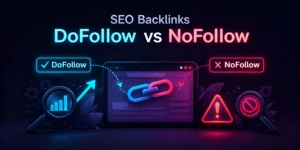
Backlinks remain one of the most important ranking factors in SEO. They signal to search engines that other websites trust your content, which can boost your visibility in search results. But not all backlinks are created equal. Two terms you’ll often hear are do-follow and no-follow links. Understanding the difference, and knowing how to use both strategically, is essential for long-term SEO success.
In this guide, we’ll break down what these links mean, how they affect your site, and why both are important for building a strong, natural link profile.
What Are Backlinks?
A backlink is simply a link from one website to another. Think of it as a vote of confidence. When a reputable site links to you, it tells search engines that your content is trustworthy and valuable.
Not all backlinks carry the same weight. Some are naturally earned because your content is useful, while others may be created through outreach, guest posts, or directory submissions.
The key factors that influence backlink value are:
- Relevance: Does the linking site relate to your niche or topic?
- Authority: Is the linking site trusted and recognized in its industry?
- Placement: Is the link embedded naturally within content, or tucked away in footers or sidebars?
With these factors in mind, let’s explore the two main types of links: do-follow and no-follow.
What Are Do-Follow Backlinks?

A do-follow backlink is the default type of link. Unless specified otherwise, most links on the web are do-follow. These links pass authority (sometimes called “link juice”) from the linking site to your own, which can directly impact your search engine rankings.
How Do-Follow Links Work
When a website links to you with a do-follow tag, search engines see it as a recommendation. If an authoritative site in your industry links to you, it signals trust, relevance, and credibility. Over time, this can help your pages rank higher in search results.
Examples of Do-Follow Links
- Guest posts on reputable blogs
- Citations from news sites or industry publications
- Links from resource or reference pages
Do-follow links are crucial for building authority and improving rankings, but they work best when combined with other types of links for a natural profile.
What Are No-Follow Backlinks?

A no-follow backlink is tagged so that search engines are instructed not to pass authority from the linking site. Essentially, no-follow links do not directly influence your rankings in the same way do-follow links do.
How No-Follow Links Work
No-follow links were introduced to combat spam, especially in blog comments and forums. While they don’t pass SEO authority, they can still provide other benefits:
- Drive referral traffic from interested readers
- Increase brand visibility
- Lead to natural, do-follow links over time if your content is valuable
Examples of No-Follow Links
- Blog comments
- Social media posts and profiles
- Paid advertisements
- Some guest post or forum links with the no-follow attribute
The important takeaway is that no-follow links are not useless. They contribute to a natural link profile and help diversify your backlink portfolio.
Do-Follow vs No-Follow Backlinks: Key Differences
Here’s a simple comparison:
| Feature | Do-Follow | No-Follow |
| Passes SEO authority | Yes | No |
| Drives referral traffic | Yes | Yes |
| Natural link profile | Needed for balance | Needed for balance |
| Common sources | Guest posts, citations, resource pages | Social media, forums, comments, paid links |
Myth: No-Follow Links Don’t Matter
Some believe no-follow links are worthless, but that’s not true. No-follow links help:
- Bring traffic from high-quality sites
- Increase your brand’s exposure
- Lead to organic do-follow links if your content gets noticed
A healthy backlink profile is always a mix of do-follow and no-follow links.
Why Both Matter for a Healthy Link Profile
Search engines look for natural link profiles. A site with only do-follow links can appear manipulative or spammy. Conversely, a site with mostly no-follow links may not earn enough authority.
Benefits of mixing both types:
- Natural growth: Organic link acquisition often results in a mix of both types.
- Traffic and visibility: No-follow links from social media, forums, or news mentions can drive real visitors.
- Long-term authority: Do-follow links from trusted sites improve rankings, while no-follow links support brand presence and awareness.
Think of it as a balance: do-follow links build SEO authority, while no-follow links expand reach and support a natural profile.
When to Prioritize Each Type
Prioritize Do-Follow When:
- You are publishing guest posts on reputable blogs
- You get featured on news sites or resource pages
- You want to improve rankings for competitive keywords
Prioritize No-Follow When:
- You are sharing content on social media
- You participate in forums or comment on industry blogs
- You want to increase brand visibility without worrying about SEO penalties
Both types are valuable; the key is context and strategy.
Common Mistakes to Avoid
Even experienced marketers make these errors:
1. Chasing only do-follow links
Focusing purely on SEO ignores the benefits of no-follow links like traffic and brand visibility.
2. Ignoring relevance
A link from an unrelated site does little for your SEO. Relevance is more important than authority alone.
3. Overlooking quality
Ten low-quality do-follow links are far less valuable than one strong link from a trusted site.
4. Not diversifying link types
A natural backlink profile has a mix of do-follow and no-follow links. Too much of either can look unnatural.
Avoiding these mistakes ensures a sustainable, effective link-building strategy.
Strategies to Build Both Types Effectively
Here are some practical approaches for building both do-follow and no-follow backlinks:
1. Guest Posting (Do-Follow)
Write articles for reputable blogs in your niche. Include relevant links naturally in the content.
2. Digital PR (Do-Follow & No-Follow)
Share unique data or insights with journalists. Media mentions often come with do-follow links from online publications and no-follow links from social shares.
3. Social Media (No-Follow)
Promote your content on social platforms. These links are mostly no-follow but can drive traffic and engagement.
4. Blog Comments and Forums (No-Follow)
Engage in meaningful discussions on industry blogs or forums. These links are usually no-follow but increase visibility and credibility.
5. Brand Mention Reclamation
Track unlinked mentions of your brand online. Contact the site to add a link, converting visibility into valuable backlinks.
6. Contextual Link Inserts
Identify relevant articles already published and suggest including your link where it fits naturally. This can work for both link types depending on the site.
7. Resource and Tool Pages (Do-Follow)
Create valuable guides, templates, or tools. Other sites will reference your content as a resource, often with do-follow links.
Tracking and Measuring Link Impact
To make your backlink efforts effective, track metrics like:
- Referral traffic: How much traffic comes from each link
- Domain authority of linking site: High-authority links pass more value
- Search rankings: Monitor keyword performance over time
- Link diversity: Ensure a balance between do-follow and no-follow links
Tracking results helps you double down on strategies that work and drop ineffective ones.
Conclusion
Do-follow and no-follow backlinks each have unique roles in SEO. Do-follow links pass authority and help your site rank higher, while no-follow links boost brand visibility, drive traffic, and contribute to a natural link profile.
The real key to success is balance. Focus on relevance, quality, and consistency, not just link type. Build content that others want to reference, use outreach strategically, and create opportunities for both types of links.
FAQs: Do-Follow vs No-Follow Backlinks
1. What is a do-follow backlink?
A do-follow backlink is a link that passes SEO authority from the linking site to your site. It helps improve your search rankings when it comes from a relevant and trusted source.
2. What is a no-follow backlink?
A no-follow backlink tells search engines not to pass authority. While it doesn’t directly impact rankings, it can still drive traffic, increase brand visibility, and contribute to a natural link profile.
3. Do no-follow links help SEO?
Yes. Even though they don’t pass authority, no-follow links can bring referral traffic, increase exposure, and sometimes lead to natural do-follow links when your content is cited elsewhere.
4. Which is better: do-follow or no-follow links?
Both are important. Do-follow links improve authority and rankings, while no-follow links support traffic, visibility, and a balanced backlink profile. A healthy SEO strategy includes both.
5. How do I get do-follow backlinks?
You can earn do-follow backlinks through guest posts, mentions in resource pages, digital PR, and creating valuable content like guides, tools, or original research.
6. How do I get no-follow backlinks?
No-follow links are common on social media, blog comments, forums, and some media mentions. Engaging on these platforms and sharing valuable content naturally earns these links.
7. Can too many do-follow links be harmful?
Yes. If your link profile is unnatural or overly weighted toward do-follow links, it may look manipulative to search engines. Balance do-follow and no-follow links for a natural profile.
8. Should I ignore low-quality no-follow links?
Generally, yes. Focus on relevance and traffic. No-follow links from spammy sites provide little value and could signal low-quality practices.
9. How can I track the impact of backlinks?
Use tools like Ahrefs, Semrush, or Google Search Console to track referral traffic, keyword rankings, and domain authority of linking sites. This shows which links are truly beneficial.
10. How long does it take for backlinks to improve SEO?
It varies. Do-follow links can take weeks to months to influence rankings, while no-follow links may provide immediate traffic but indirect SEO benefits over time. Consistent link-building produces the best results.