
When you know how your SEO will look months in advance, it can completely change the way you market. SEO forecaster report also provides data-driven estimates about website traffic, revenue, and ROI, which can give you a more transparent view about gonna happen with your goals.
This guide will cover what SEO forecasting is, how you can use it, which tools assist with accurate predictions, and how to express forecasts to customers for their approval.
What Is SEO Forecasting?
SEO forecasting means predicting how your search engine optimization activities will perform in the future. It predicts results such as organic traffic, keyword ranks, leads, and sales.
Using the past, present, and future, you can access historical data, keyword trends, and CTR models. You can use these inputs to make an actual SEO forecast to influence business decisions, allocation of budgets, and KPI setting.
The Importance of SEO Forecasting For Business
Predicting SEO traffic and validating it requires more than appearance-based metrics. It helps businesses:
- Define achievement targets and performance measures.
- Forecasting how many traffic and customers there will be on busy days.
- Provide validation to user and management requests for SEO budgets.
- Assess the ROI of continuous optimization.
- Identify growth opportunities early.
Done properly, an SEO forecast is also a very effective long-range planning tool for marketing and finance.
What is the SEO Traffic Forecast Tool?
A forecasting seo traffic tool is an application of software that enables you to forecast long-term organic search traffic for a website based on keyword rankings, search volume, click-through rates, historical performance and seasonality, and other SEO inputs.
What Tools should We be Using?
SEO forecast is a tool that enables us to bridge the gap between data and decision-making by allowing us to see what can happen in the event that our SEO strategy operates according to plan.
Best Tools for SEO Forecasting
SEO forecasting helps you estimate how well your website will rank in search results down the line. And with the right tools, you can predict traffic growth and potential keyword opportunities before they appear. These all combine historical performance vs. predicted keyword trends and search engine updates into one single platform to help provide you with a better strategy and make smarter marketing decisions.
1. Google Search Console
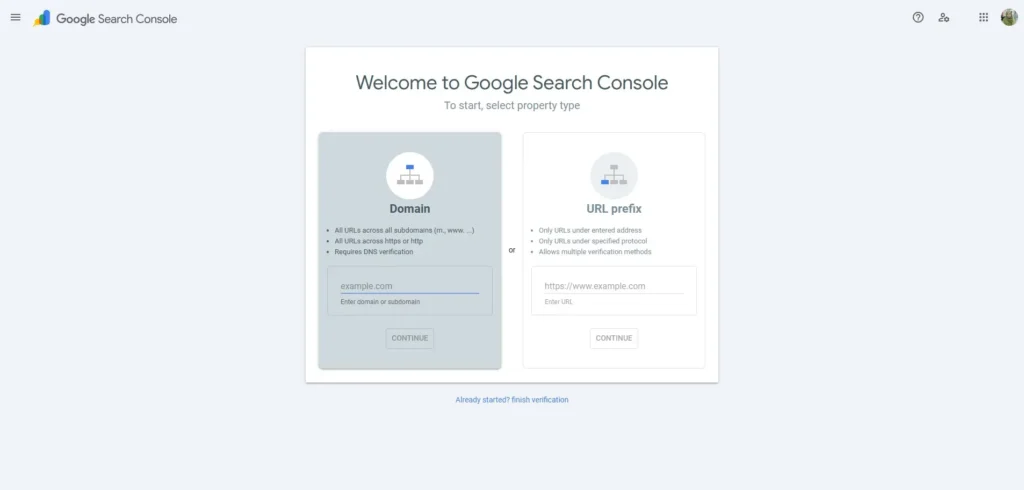
Google Search Console is a free and powerful tool that shows how your site ranks in organic search. Monitor keyword rankings, impressions, click-through rates and historical trends. And though it doesn’t offer direct prediction capabilities, you can create forecasts of future growth based on how some keywords have performed over time.
Why it’s great:
- Accurate first-party data from Google
- Historical performance tracking
- Helps identify seasonal keyword trends
2. Ahrefs
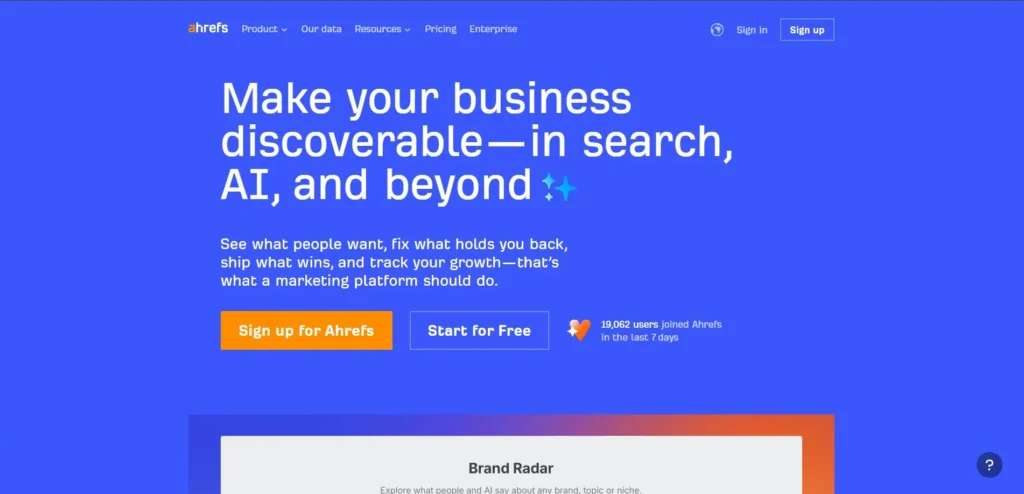
Ahrefs is great for keyword tracking and competitor research. Its keyword explorer and traffic value metrics make it easy to project how much organic traffic your site could stand to gain from ranking improvements.
Why it’s great:
- Detailed keyword and backlink data
- Forecasts the traffic potential of any keyword
- Easy-to-read graphs for performance forecasting
3. SEMrush
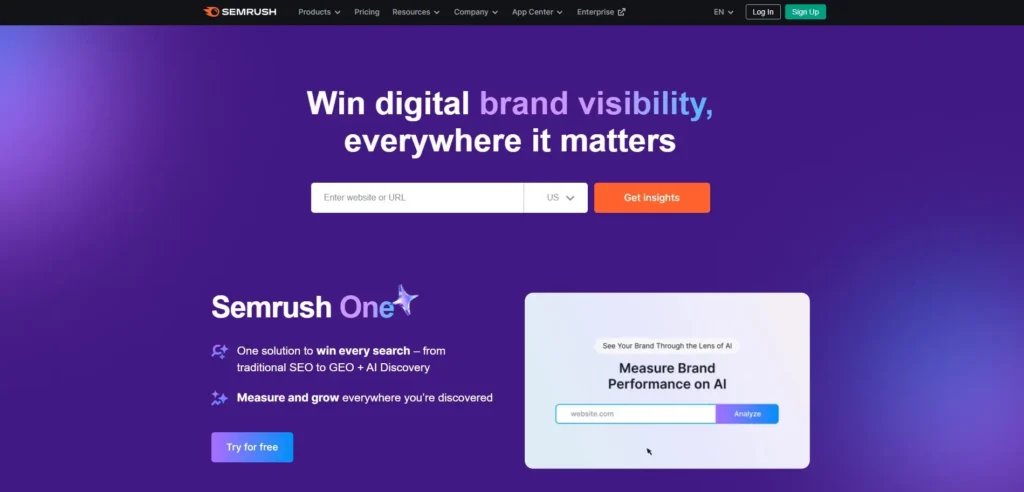
One of the most popular tools for SEO forecasting is SEMrush. With its “Traffic Analytics” and “Keyword Magic Tool,” you can forecast potential returns on individual SEO campaigns. You can even virtualise ranking changes and see how they influence your traffic and revenue.
Why it’s great:
- Built-in forecasting reports
- Visual SEO growth predictions
- Works with Google Analytics and Ads for deeper insights
4. Moz Pro
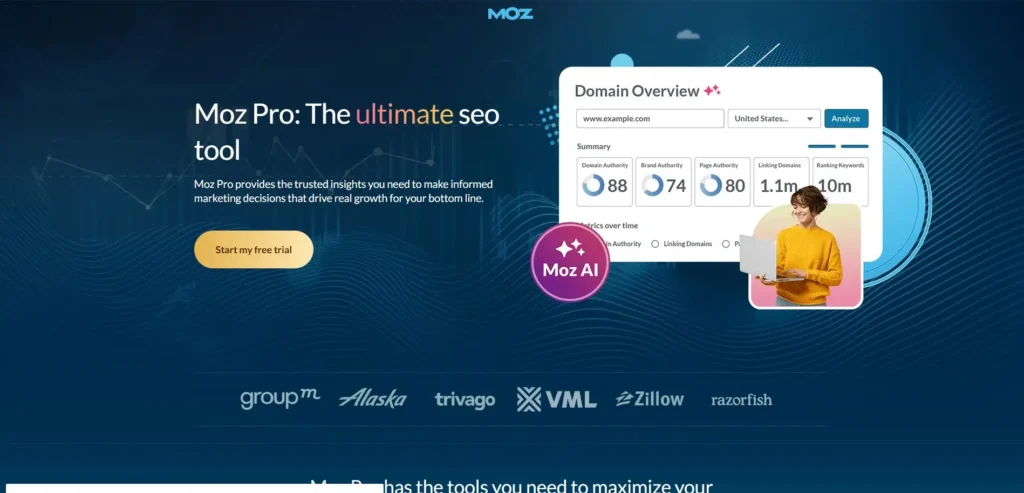
Moz Pro uses keyword tracking and site performance reporting. Using its keyword difficulty score and ranking history, you can see how much your organic traffic will increase if you make a few changes.
Why it’s great:
- Reliable keyword tracking
- Simple traffic and visibility trends
- Great for long-term SEO planning
5. SEOmonitor
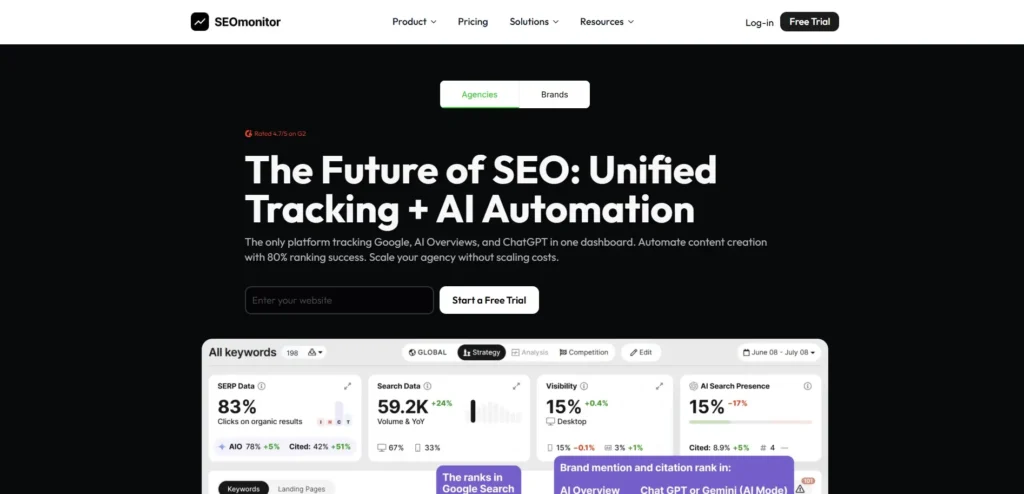
SEOMonitor is amazing for predicting performance on SEO. It uses some forward predictive modelling to work out the estimated traffic, conversions and ROI from your keyword strategy. This is a great way for agencies and businesses to justify why they should spend budget on an SEO project with simple data projections.
Why it’s great:
- Dedicated SEO forecasting module
- Traffic + ROI prediction using real data
- Contributes to creating clear and honest SEO reports for clients
6. AccuRanker
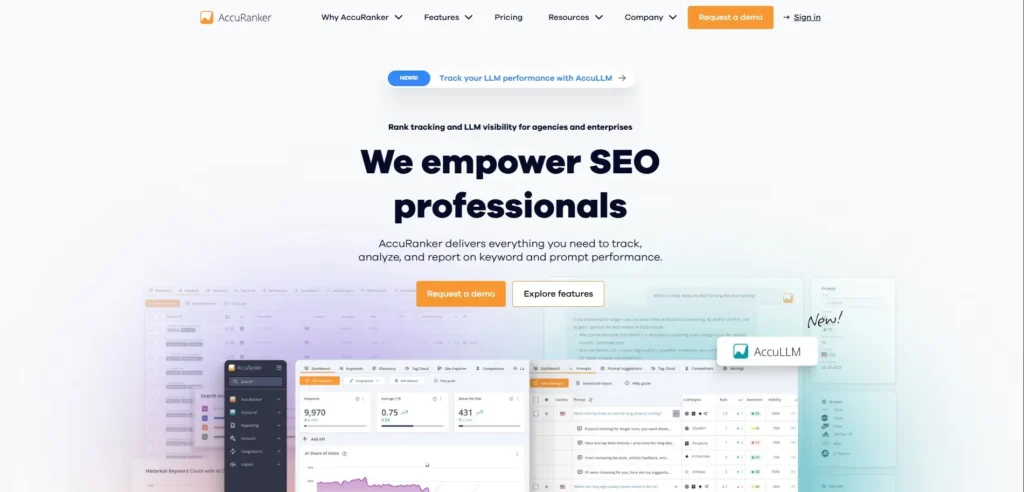
AccuRanker is a powerful keyword rank tracking tool, offering both forecasting and historic data comparisons. It can meaningfully help you predict how these ranking shifts might affect your upcoming organic traffic.
Why it’s great:
- Fast and accurate keyword data
- Predicts Traffic Impact of ranking changes
- A great tool for agencies with multiple clients
7. Google Data Studio (Looker Studio)
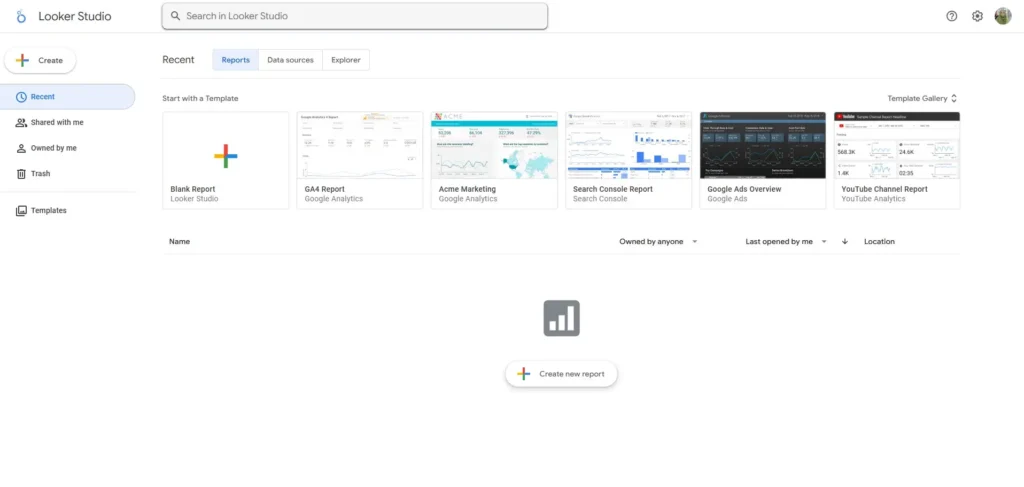
By pairing Google Data Studio with data from Google Analytics and Search Console, you can build SEO forecasts in a visual format. This enables you to create interactive dashboards that illustrate how certain strategies could affect your future performance.
Why it’s great:
- Free and customizable
- Integrates multiple SEO data sources
- Excellent for visual reporting and forecasts
8. BrightEdge
BrightEdge with AI-powered intelligence makes accurate predictions on content performance and keyword trends. Itensifies allows businesses to visualize what is happening to content and how optimization of keywords would affect visibility or conversions.
Why it’s great:
- AI-based forecasting
- Enterprise-level reporting
- Enables tracking of organic traffic and ROI potential
How to Do an SEO Forecast: Step-by-Step Method
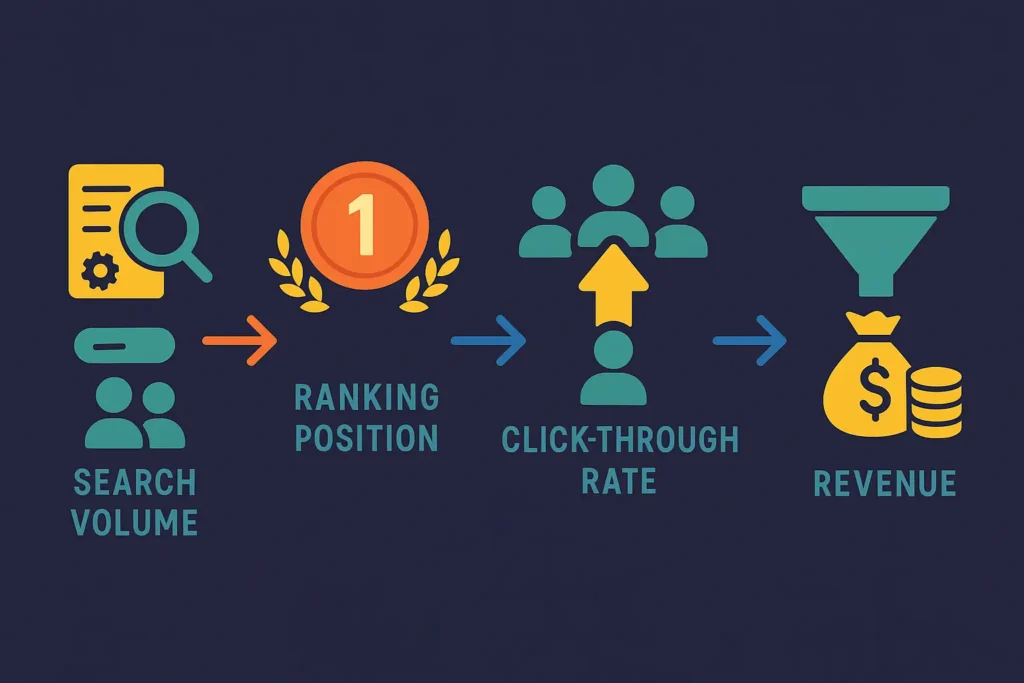
A realistic SEO forecast requires a structured analysis, which means we have to look at the details more regularly than ever before. This step allows you to predict SEO traffic and revenue with clear expectations for decision-makers. You can get an organized, actionable plan going by just following the steps below:
- Collect historical information: Collect 6–12 months’ worth of traffic, keyword rankin,g and CTR data from Google Analytics and Search Console.
- Research target keywords: Find keywords people search for most often, and the terms that will increase conversions.
- Get SEO forecasting software: You can use an application such as SEO Monitor forecast or Ahrefs to predict SEO results.
- Calculate ranking progress: forecast how hard different keywords would rank higher in SERPs.
- Estimate traffic: Volume of searches, estimated CTR at various rank positions.
- Incorporate conversion and revenue information: Add your average order value and conversion rate to estimate the effect on the business.
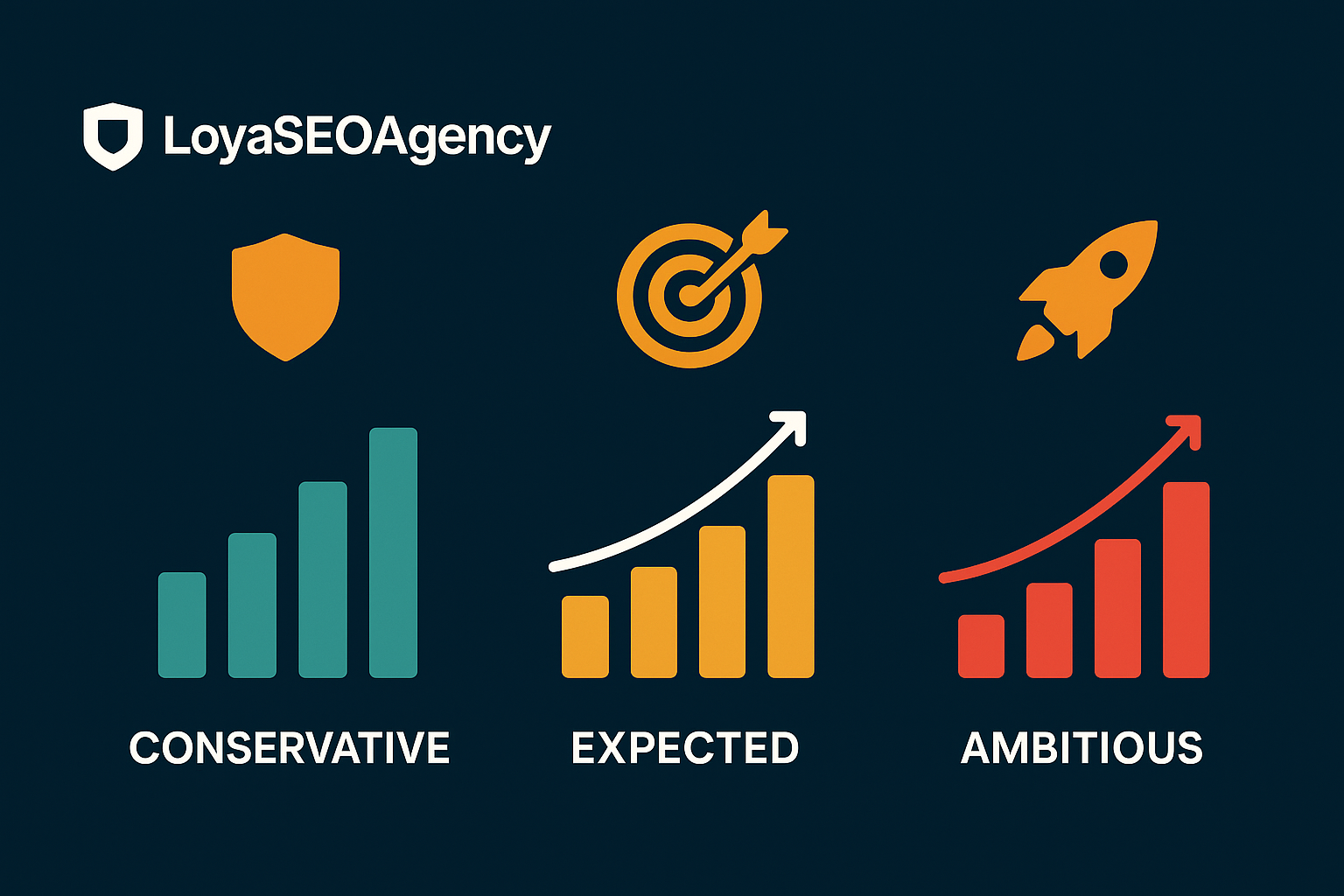
- Plan for multiple scenarios: Develop sensible, expected, and aggressive forecasts to deal with the unknown.
How to Forecast SEO Growth from Traffic?
In order to predict overall organic traffic growth, you want to look for trends in historical data and make those patterns line up with what’s expected going forward.
Consider seasonality and variations in search demand, new keyword opportunities, viralness of new content, or some kind of site update, and ranking uplift anticipated from on-page or link-building initiatives. Measuring historical data against hypothetical results, you can estimate consistent growth in the long term.
How to Forecast for SEO ROI?
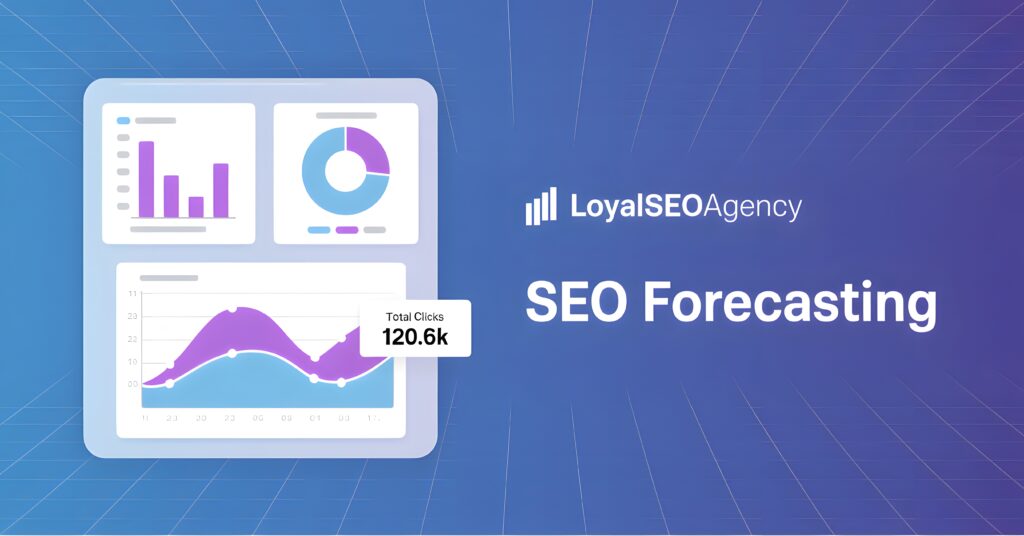
Once traffic projections are complete, the next step is determining potential ROI. The SEO ROI forecast connects traffic numbers with financial value.
This method reveals whether expected organic performance will generate a strong return on your SEO spend and informs future investment strategies. Use the formula:
SEO ROI= (Forecasted Revenue−SEO Investment)SEO Investment×100 SEO ROI = SEO Investment (Forecasted Revenue−SEO Investment) ×100
Forecast SEO Scenarios to Improve Planning
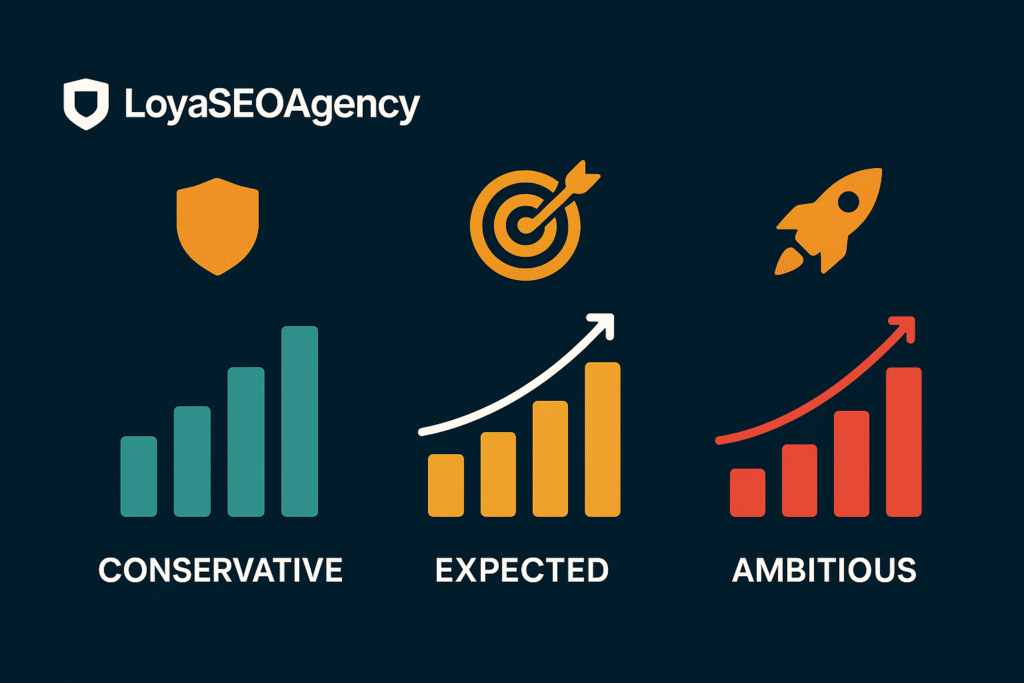
Never pin all of your hopes on one forecast SEO future.
- Conservative forecast: Anticipates modest, consistent traffic growth.
- Actual situation: According to history and planned tasks.
- Best-case scenario: Looks like the serving size if everyone performs better than expected.
These layers make your forecast transparent, especially for presenting to executives or clients who need clear visibility into potential outcomes and risks.
SEO Forecasting Is Difficult Because…
The accuracy of prediction models still lags far behind the capabilities of modern data tools. Predicting SEO can be tough because the data is influenced by external forces such as algorithm changes, economic conditions, changing SERPs, and new competitors.
But reforecasting on at least a monthly basis is one way to overcome those inaccuracies. You should revisit your projections every 3 months or so and adjust your forecasts to use actual data so that you can make plans based on the most current SEO model.
The Future of SEO Forecasting
SEO forecasting is becoming more and more about data and AI. Traffic predictions are also improved now by machine learning using big data and dynamic ranking algorithms.
In the coming years, tools will consolidate SEO, PPC, and CRO data to generate fully integrated forecasts of performance. Forecasts will respond in real time with predictive analytics. SEOmonitor and more sophisticated choices will interface with CRM systems to do the revenue attributions. Your SEO forecasting will be more relevant and actionable tomorrow if you know these trends today.
Key Takeaways
SEO forecasting takes analytics and makes predictions in terms of traffic, revenue, and ROI. Predicting SEO traffic has the educational benefit of upskilling teams and creating realistic growth forecasts. An accurate SEO forecast is not possible without the right forecasting tool, and it saves time spent on analysis.
If you are thinking about ‘’how to present seo forecasts to stakeholders?, process is simple- show current SEO forecasts, graphical representations to stakeholders. Though it’s hard to predict SEO due to numerous external factors, and none of the predictions are 100% guaranteed, ongoing updates keep doing a good job.
Whether it’s through the SEO monitor forecast or via manually inputted modelling, an accurate SEO forecast will give marketers the tools to translate this data into real business results.


